
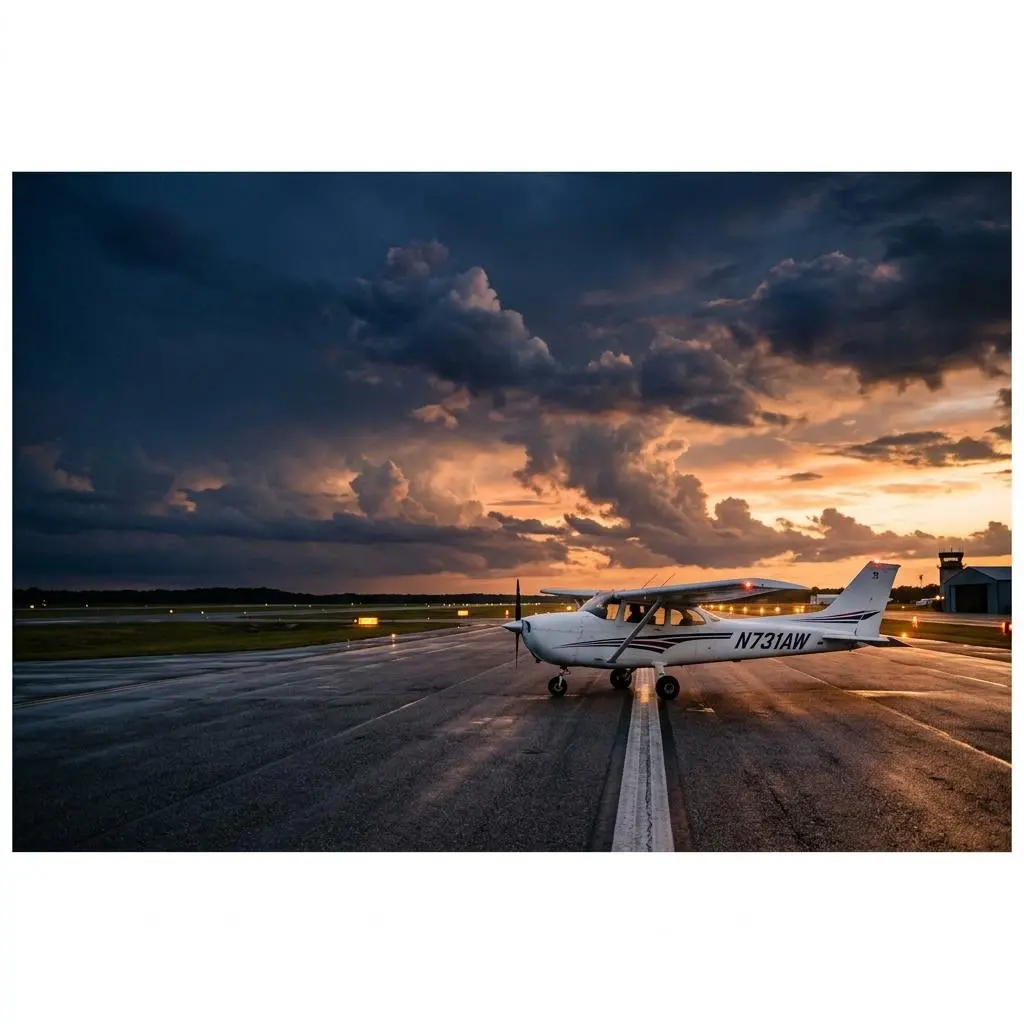
Pilot Training Abroad
GSA Aviation
Honest, step-by-step guidance for Indian students who want to train as pilots and aviation professionals abroad: from choosing a country and academy to the DGCA conversion back home.
Part of GSA Overseas Services Pvt. Ltd., guiding students abroad since 2012.
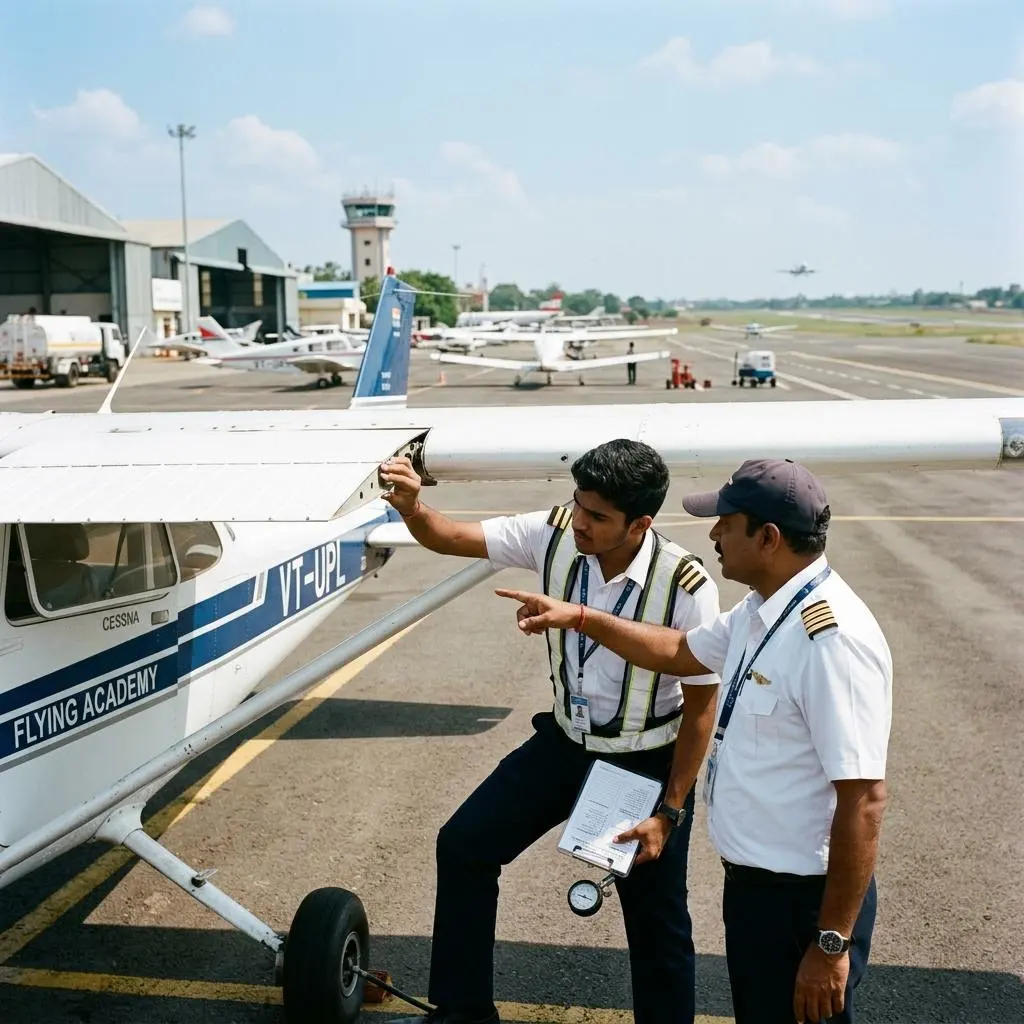
Check approvals
Confirm the legal provider, approved course and current training base with the regulator before enrolling.
Check training capacity
Ask for current fleet, instructor and simulator availability for your exact intake.
Plan Indian licensing
Foreign licences do not grant automatic Indian privileges. Your documents, experience and tests must meet DGCA requirements.
Aviation Programs
Six pathways, from a first private licence to type-specific airline training. We help you pick the one that fits your goals.
Commercial Pilot License (CPL)
The professional licence route for a flying career. Structured flight training that prepares you to fly professionally.
Private Pilot License (PPL)
The first licence, for flying privately or as a hobby. The first step for aviation enthusiasts who want to fly for personal use or recreation.
Aviation Management
The business side of airports and airlines. For students who want to build a career on the ground side of aviation.
Aircraft Maintenance Engineering (AME)
Keeping aircraft safe, inspected and airworthy. Specialised technical training in the inspection, repair and maintenance of aircraft structures and systems.
Instructor Rating (FI / CFI)
For licensed pilots who want to teach. An advanced certification for experienced pilots who want to train and mentor new aviators.
Type Rating
Qualifying on a specific aircraft model. Specialised training that qualifies a licensed pilot to operate a particular aircraft type and its complex systems.
Global Training Locations
Explore six destinations. Training fee ranges are approximate USD equivalents at 3 November 2026 reference rates, not fixed quotes. Duration and flying days remain guide estimates.
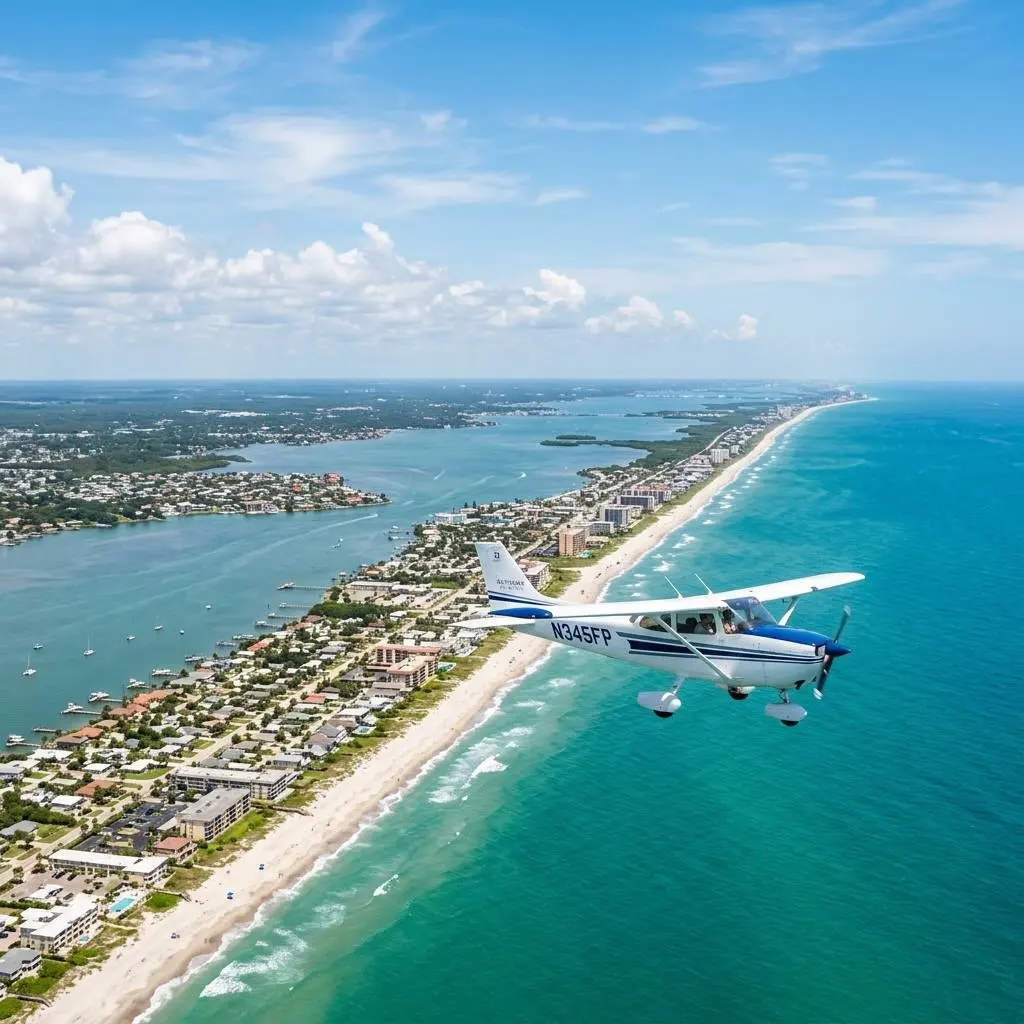 FAA
USA
Explore FAA training; verify the school, visa route and individual DGCA requirements.
- Total*
- US$63K–92K
- Duration
- 18 – 24 mo
- Flying days
- 300+
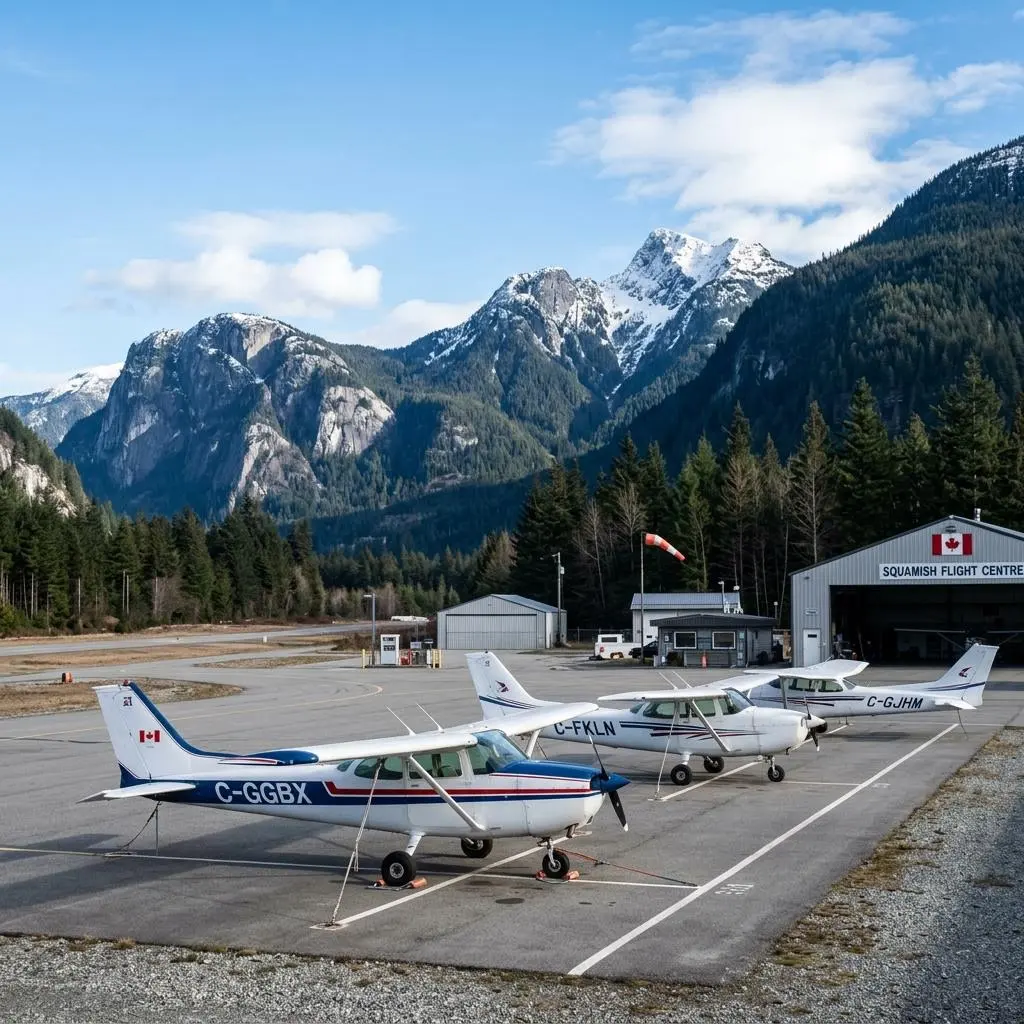 Transport Canada
Canada
Explore Transport Canada training and the separate flight-school PGWP criteria.
- Total*
- US$52.5K–69.5K
- Duration
- 18 – 30 mo
- Flying days
- 200–250
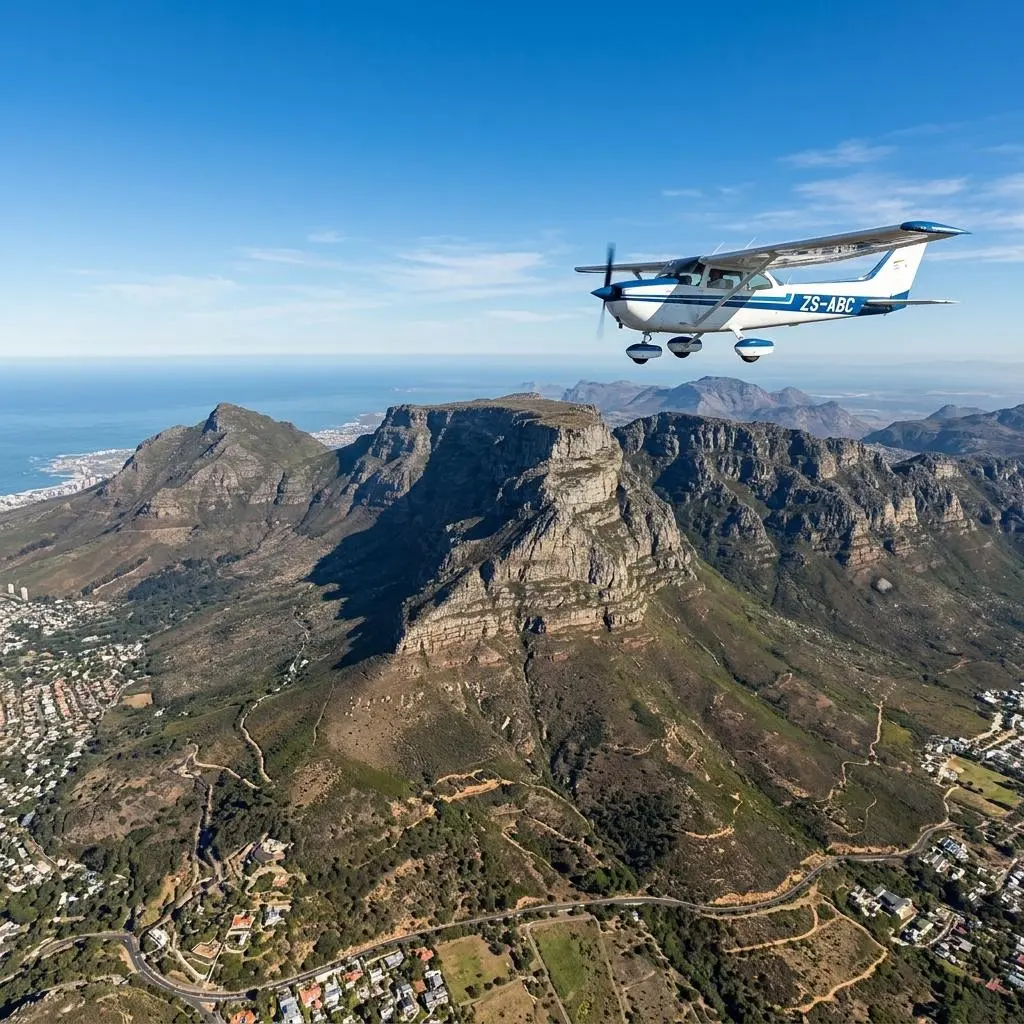 SACAA
South Africa
Explore SACAA training; verify approval scope, visa eligibility and a current written quote.
- Total*
- US$40.5K–45K
- Duration
- 18 – 24 mo
- Flying days
- 300+
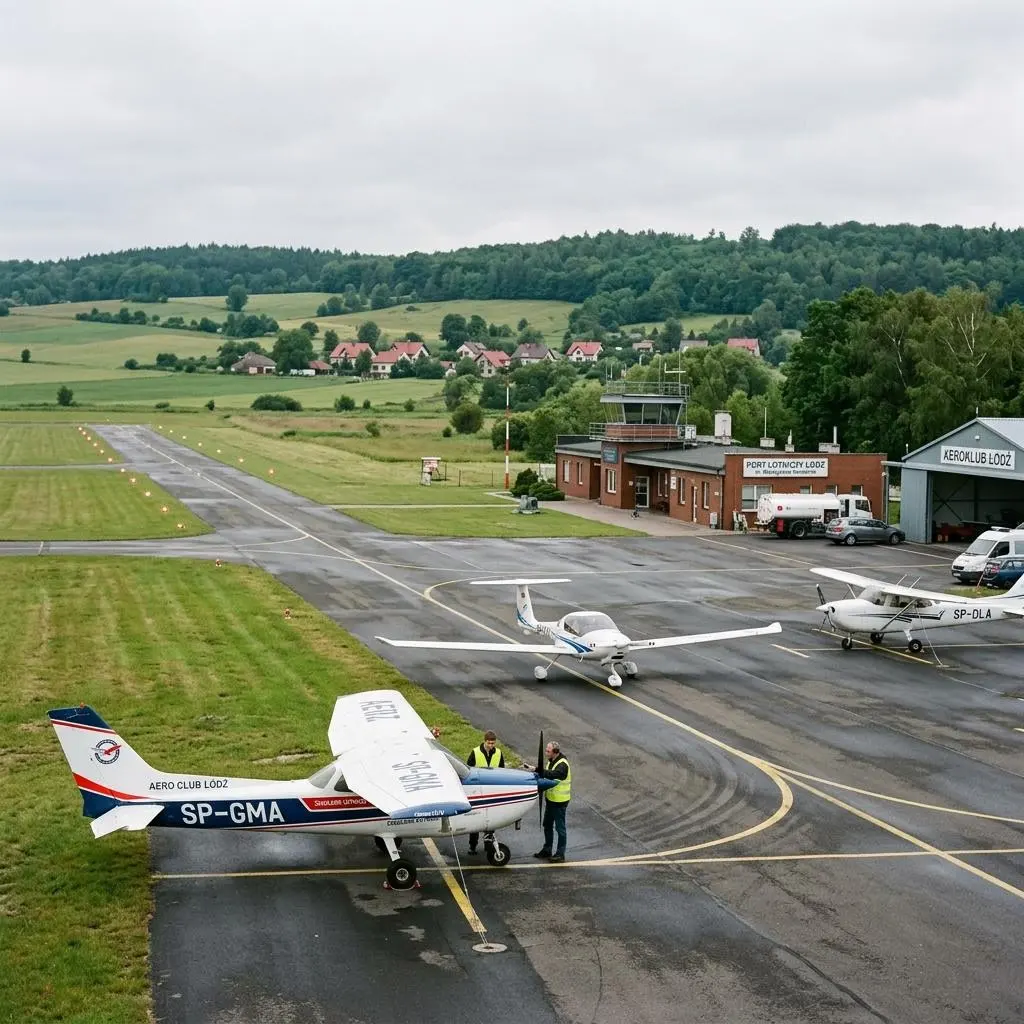 ULC / EASA
Poland
Explore the EASA training framework and check Polish ULC approval and immigration rules.
- Total*
- US$81K–89K
- Duration
- 18 – 28 mo
- Flying days
- 180–220
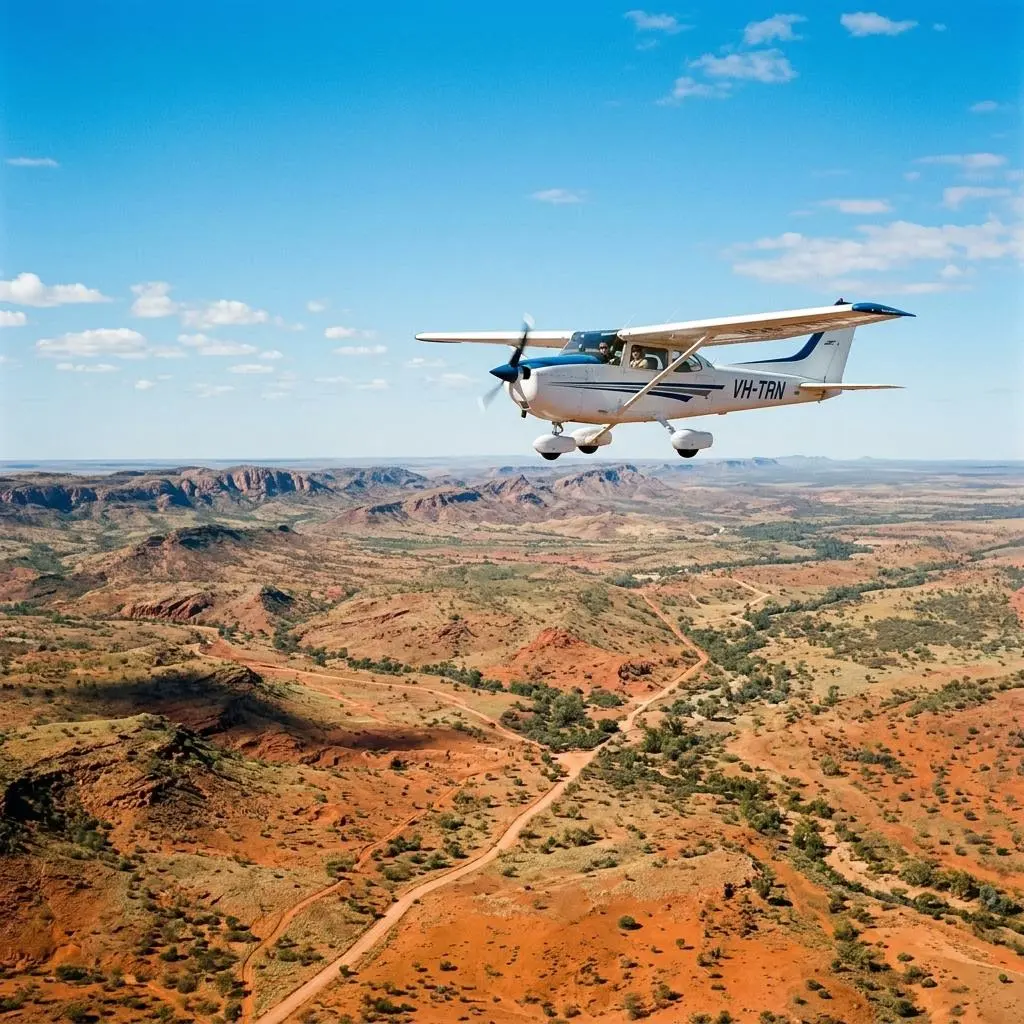 CASA
Australia
Explore CASA training; confirm CRICOS course registration and individual visa conditions.
- Total*
- US$99.5K–115K
- Duration
- 18 – 28 mo
- Flying days
- 250–300
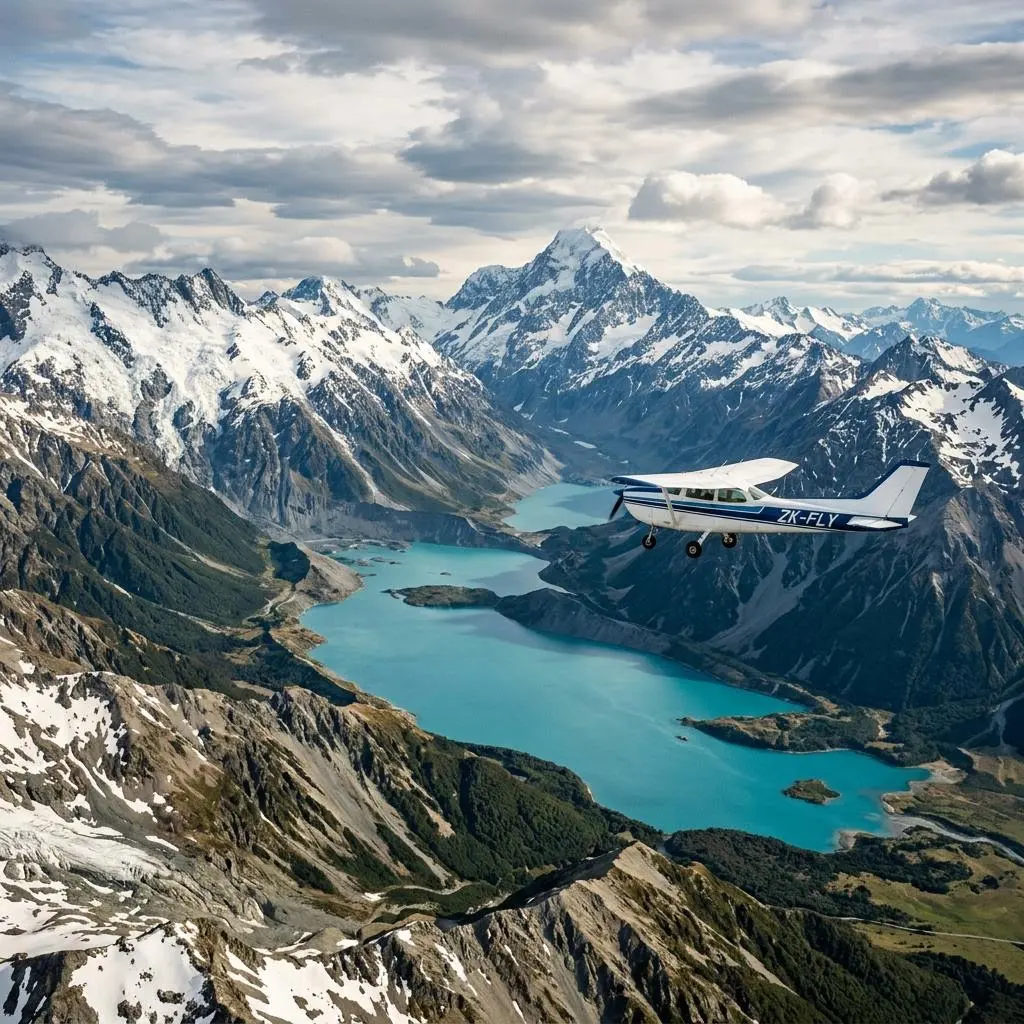 CAA NZ
New Zealand
Explore CAA New Zealand training and course-specific study and work eligibility.
- Total*
- US$87.5K–97K
- Duration
- 18 – 28 mo
- Flying days
- 240–280
*Unverified legacy figures, not current offers. Inclusions, exclusions and quote dates are unconfirmed. Obtain a dated itemised quote before budgeting.
Watch before you decide
A roadmap to becoming a pilot, and a student's own experience.
CPL questions families ask
Straight answers on licences, costs and what to expect.
What is a CPL?
A Commercial Pilot License lets you fly professionally. Training combines ground school, logged flight hours and simulator work, usually with Instrument and Multi-Engine ratings added.
If I train abroad, can I fly in India straight away?
A foreign CPL is not permission to fly Indian-registered aircraft. Indian licensing depends on education, age, medical fitness, verified licence and logbooks, experience and recency, applicable theory and radio requirements, and DGCA-approved skill tests in India. Plan the Indian requirements before overseas enrolment; no conversion timeline or outcome is guaranteed.
How much does CPL training abroad cost?
Published training-route estimates checked on 3 November 2026 include USD 63,000 – 92,000 in the USA and USD 87,500 – 97,000 in New Zealand. See the destination guides for all six ranges and their course inclusions. All training fee ranges are approximate USD equivalents using European Central Bank reference rates dated 3 November 2026, rounded outward to the nearest USD 500. Exchange rates and bank charges can change the amount payable. These are planning estimates, not GSA offers or an all-in budget. Living expenses, additional training and Indian conversion need separate allowances.
How long does it take?
Indicative durations are 18–24 months in the USA and South Africa, and up to 28–30 months elsewhere. Weather, aircraft availability and your own pace all affect the timeline.
Can I work while I train?
Do not assume school admission permits work. M-1 employment is restricted to authorised practical training; other countries and visa types have different conditions. Verify the exact course and your visa grant with the immigration authority. A flight instructor qualification is not work authorisation.
Does GSA Aviation guarantee an airline job?
No. No consultant can guarantee a job. We help you choose training carefully and prepare for DGCA conversion; hiring depends on airlines, the market and your own performance.
What do you actually help with?
Comparing destinations and academies, admission paperwork, student visa documentation, and guidance on the DGCA conversion steps after you return.
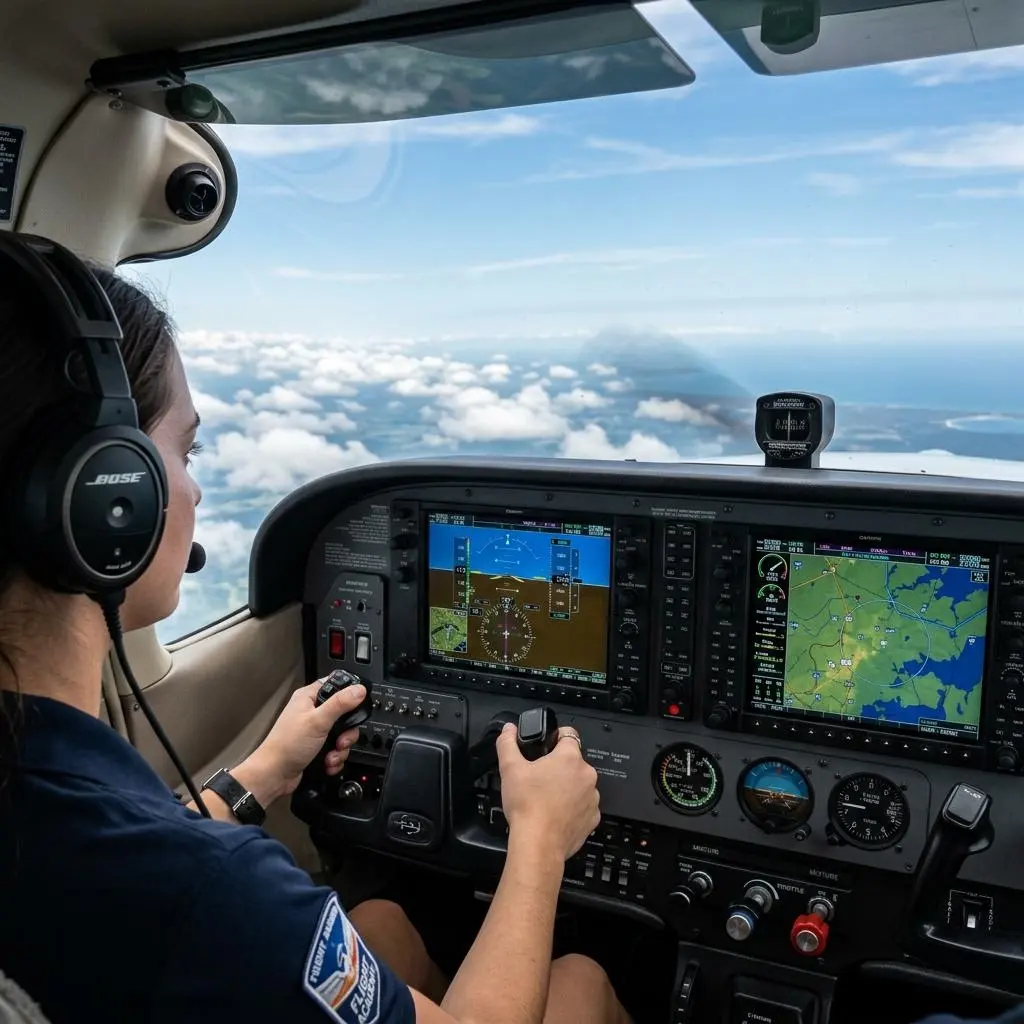
Your journey to the skies starts here
Talk to a GSA Aviation counsellor about destinations, indicative budgets and the DGCA conversion steps. The first consultation is free.